
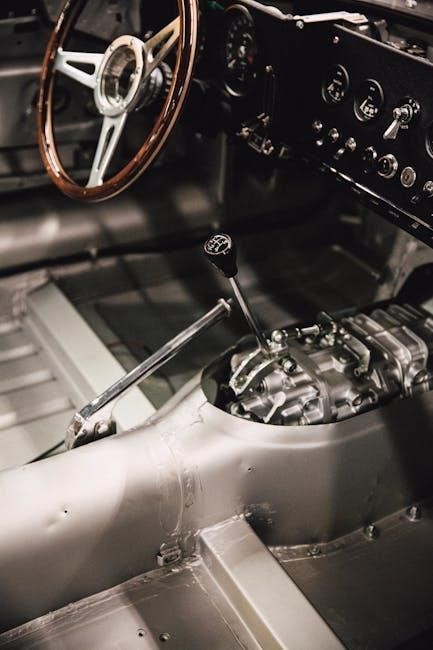
Navigating the roads with a manual transmission offers a unique driving experience, demanding skill and engagement․
Numerous online resources, like YouTube tutorials, demonstrate the fundamentals, while specialized driving schools provide hands-on instruction for mastering this art․
Learning manual transmission requires understanding clutch control, gear shifting, and coordination – skills honed through dedicated practice and expert guidance․
Why Choose Manual Transmission?
Opting for a manual transmission driving experience offers several distinct advantages, despite its declining prevalence․ Drivers gain complete control over the vehicle, fostering a deeper connection with the mechanics of driving․ This heightened awareness often translates to improved fuel efficiency, as drivers consciously manage gear selection for optimal engine performance․
Furthermore, manual transmissions can be more engaging and rewarding, providing a more immersive driving experience․ While automatic transmissions prioritize convenience, mastering a manual gearbox cultivates a valuable skillset and a sense of accomplishment․ It’s a niche skill that can be particularly useful in certain driving situations, and some enthusiasts simply prefer the control it offers․
Ultimately, choosing manual is a statement of driving passion․
The Declining Popularity & Niche Appeal
Historically, manual transmissions dominated the automotive landscape, but their popularity has steadily declined with the rise of automatic and, more recently, continuously variable transmissions (CVTs)․ This shift is driven by consumer preference for ease of use and convenience, particularly in congested urban environments․
However, despite this trend, manual transmissions retain a dedicated, niche appeal․ Car enthusiasts and driving purists often favor manuals for the greater control and engagement they provide․ This has led to a resurgence of interest in learning manual driving skills, fueling demand for specialized driving classes․
Consequently, manual driving is becoming a specialized skill․
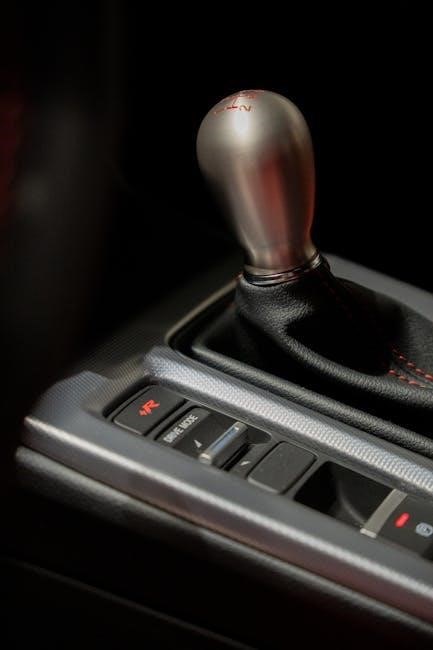
Finding the Right Driving School
Selecting a driving school requires careful consideration; look for institutions offering dedicated manual transmission courses or lessons, ensuring qualified instructors and well-maintained vehicles․
Prioritize schools with positive reviews and a proven track record of successful student outcomes․
Specialized Manual Transmission Schools
Dedicated manual transmission schools are becoming increasingly rare, yet they offer the most focused learning environment․ These institutions concentrate solely on mastering the intricacies of stick shift driving, providing intensive instruction tailored to individual skill levels․
Typically, they boast a higher instructor-to-student ratio, allowing for personalized attention and quicker skill development․ The curriculum often extends beyond the basics, encompassing advanced techniques like heel-toe downshifting and rev-matching․ Finding these schools may require broader searches, as they aren’t as prevalent as general driving schools, but the specialized expertise is invaluable for those committed to learning manual․
Consider checking online forums and enthusiast communities for recommendations, as these often highlight hidden gems offering exceptional manual transmission training․
General Driving Schools Offering Manual Lessons
Many established driving schools now incorporate manual transmission lessons into their broader curriculum, catering to a growing demand․ While not their sole focus, these schools provide a convenient option for learners already pursuing a standard driver’s license․
The availability of manual lessons can vary significantly; it’s crucial to inquire directly about their offerings and instructor expertise․ These schools often utilize a mixed fleet of vehicles, including those equipped with manual transmissions, allowing students to practice in real-world conditions․
However, the depth of instruction might not match specialized schools, so verifying the instructor’s proficiency is essential for a comprehensive learning experience․
Checking Instructor Experience & Qualifications
Prior to enrolling, thoroughly investigate the instructor’s background and credentials․ A seasoned instructor possesses not only technical expertise but also the patience to guide learners through the initial challenges of manual driving․
Inquire about their years of experience specifically teaching manual transmission, and whether they hold any relevant certifications or advanced driving qualifications․ Don’t hesitate to ask about their teaching methodology and approach to handling common student difficulties, like stalling or hill starts․
Positive reviews and testimonials can offer valuable insights into their effectiveness and student satisfaction․ A skilled instructor will instill confidence and ensure a safe learning environment․
Core Skills Taught in Manual Driving Classes
Essential skills encompass mastering the clutch, gearbox operation, smooth gear changes, and conquering hill starts – foundational elements for confident manual driving․
These classes build coordination and control, enabling drivers to navigate various road conditions effectively․
Understanding the Gearbox and Clutch
A core component of manual driving instruction focuses on demystifying the gearbox and clutch system․ Students learn the intricate relationship between these two, understanding how the clutch disengages the engine from the wheels, allowing for seamless gear changes․
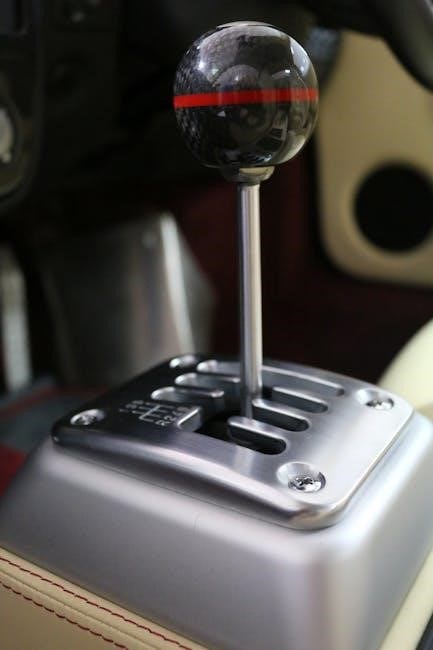
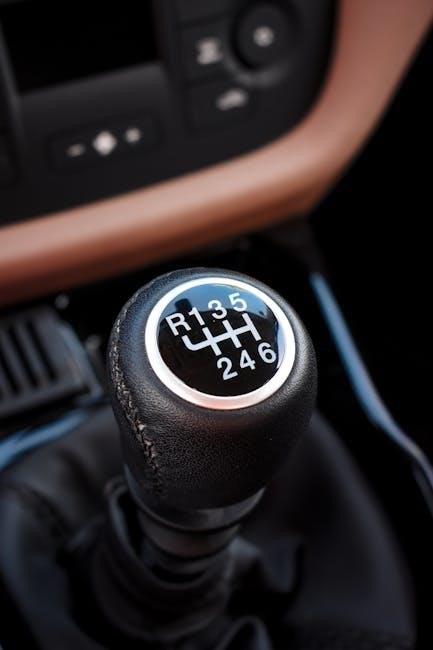
Instructors explain the purpose of each gear – lower gears for acceleration and hill climbing, higher gears for efficient cruising․ Practical exercises involve identifying gear positions and understanding the gear stick’s movement patterns․
Furthermore, students discover the clutch’s “friction zone,” the point where power begins to transfer, crucial for smooth starts and preventing stalling․ This foundational knowledge is vital for building confidence and control․
Mastering the “Friction Point”
The “friction point” is arguably the most critical skill in learning manual transmission, representing the engagement between the engine and the wheels․ Driving instructors dedicate significant time to helping students locate and control this delicate balance․
Exercises typically involve slowly releasing the clutch until the car begins to vibrate or attempt to move, indicating the friction point is reached․ Maintaining this point prevents stalling and allows for controlled starts․
Students practice coordinating the clutch with the accelerator, gradually adding gas as the clutch is released, achieving a smooth, jerk-free launch․ Consistent practice builds muscle memory and intuitive feel for the friction zone․
Smooth Gear Changes: Upshifting and Downshifting
Once comfortable with the friction point, students progress to smooth gear changes, a cornerstone of manual driving proficiency․ Upshifting involves depressing the clutch, selecting the next higher gear, and releasing the clutch while simultaneously applying throttle․
Downshifting, conversely, requires selecting a lower gear, often used for slowing down or preparing for acceleration․ Instructors emphasize rev-matching – briefly increasing engine speed to synchronize with the lower gear – to minimize jolts․
Mastering these techniques demands precise timing and coordination, transforming potentially jerky transitions into seamless gear changes, enhancing driving comfort and control․
Hill Starts: A Common Challenge
Hill starts consistently rank among the most challenging aspects of learning manual transmission, often inducing anxiety for new drivers․ The core difficulty lies in preventing rollback while transitioning from brake to accelerator․
Driving instructors teach techniques like using the handbrake to hold the vehicle stationary, then coordinating clutch release and throttle application․ Alternatively, a quick “heel-toe” motion can briefly hold the brake while simultaneously engaging the gas․
Successful hill starts require precise timing and a confident understanding of the friction point, building driver competence and preventing potentially dangerous situations․
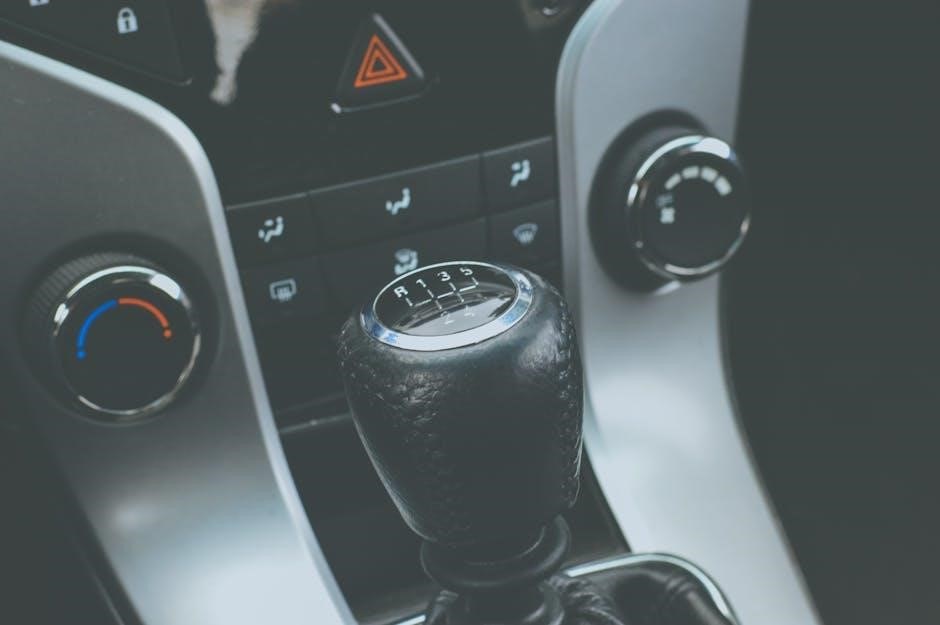
Common Mistakes and How to Avoid Them
New drivers often stall, ride the clutch, or select incorrect gears – common pitfalls addressed in manual transmission classes․ Practice and focused instruction mitigate these errors;
Stalling the Engine
Stalling is arguably the most frequent frustration for beginners learning manual transmission․ It occurs when the engine doesn’t receive enough power to continue running, typically during clutch engagement or gear changes․ Driving instructors emphasize the importance of finding the “friction point” – the sweet spot where the clutch begins to engage – and smoothly coordinating it with the accelerator․
Avoiding stalls requires practice and a delicate touch․ Students learn to gradually release the clutch while simultaneously applying gentle pressure to the gas pedal․ Rushing the process or releasing the clutch too quickly are common causes․ Consistent practice in a safe environment, like an empty parking lot, builds muscle memory and confidence, ultimately reducing stalling incidents․
Riding the Clutch
“Riding the clutch” refers to resting your foot partially on the clutch pedal while driving, even when not shifting gears․ Instructors strongly discourage this habit, as it causes premature wear and tear on the clutch components․ Constant, albeit slight, friction generates heat and accelerates the clutch’s degradation, leading to costly repairs․
Proper technique involves fully releasing the clutch pedal after each gear change and keeping your foot completely off it during normal driving․ Developing this awareness requires conscious effort initially, but it becomes second nature with practice․ Avoiding clutch riding extends the lifespan of the vehicle’s transmission system and promotes smoother, more efficient driving․
Incorrect Gear Selection
Selecting the wrong gear is a common mistake for novice manual drivers, leading to inefficient engine operation and potential strain on the vehicle․ Driving in too high a gear at low speeds causes the engine to lug, while using a low gear at high speeds results in excessive revving and wasted fuel․
Instructors emphasize listening to the engine’s sound and feeling its responsiveness to determine the appropriate gear for the current speed and road conditions․ Understanding the relationship between engine RPM and vehicle speed is crucial․ Practicing smooth transitions between gears, based on these cues, ensures optimal performance and prolongs the life of the drivetrain․
The Cost of Manual Transmission Driving Lessons
Manual transmission lessons vary in price, with package deals often offering savings․ Location and instructor experience significantly influence the overall cost of learning this skill․
Average Lesson Prices
Generally, expect to pay between $75 and $150 per hour for a manual transmission driving lesson․ This price range can fluctuate based on geographical location, with metropolitan areas typically commanding higher rates than rural ones․ A single introductory lesson might be slightly more expensive, functioning as an assessment of your current skill level and a foundational overview of manual driving principles․
Many driving schools offer lesson packages, providing a more cost-effective solution for comprehensive training․ A package of five or ten lessons can reduce the per-hour cost, potentially saving you a significant amount compared to booking individual sessions․ It’s crucial to inquire about any hidden fees or additional charges before committing to a package․
Package Deals and Discounts
Driving schools frequently incentivize students with package deals, offering substantial savings compared to individual lesson bookings․ A common offering is a block of five or ten hours, reducing the per-hour rate considerably․ Some schools structure packages around specific skill levels – beginner, intermediate, and advanced – tailoring the curriculum to your needs․
Discounts are often available for students, military personnel, or those booking lessons during off-peak hours․ Inquire about referral programs, where you and a friend could both receive a discount upon successful referral․ Don’t hesitate to negotiate, especially if you’re considering a larger package; schools may be willing to offer a further reduction in price․
Factors Influencing Cost (Location, Instructor)
Geographic location significantly impacts the price of manual transmission lessons․ Metropolitan areas generally command higher rates due to increased operating costs for driving schools․ Rural locations may offer more affordable options, but with potentially fewer specialized instructors available․
Instructor experience and qualifications also play a role․ Highly sought-after instructors with extensive experience or specialized certifications (like advanced driving techniques) often charge a premium․ The type of vehicle used for instruction – newer models or those with specific features – can also influence the overall cost․ Consider these factors when budgeting for your lessons․
Preparing for Your First Lesson
Wear comfortable shoes suitable for pedal operation and mentally prepare for a challenging, yet rewarding experience; Ask your instructor about the vehicle and lesson structure․
What to Wear
Choosing the right attire for your first manual transmission driving lesson is surprisingly important for comfort and control․ Opt for shoes that allow for a full range of motion and a firm feel of the pedals – avoid thick-soled shoes, heels, or flip-flops․
Comfortable clothing that doesn’t restrict your movements is also key․ You’ll be making precise movements with your feet and hands, so loose-fitting attire is preferable․ Consider the weather; dress appropriately for both inside the vehicle and potential brief periods outdoors․ Ultimately, prioritize practicality and the ability to operate the car safely and effectively․
Questions to Ask the Instructor
Before your first manual transmission lesson, preparing a list of questions can maximize your learning experience․ Inquire about the vehicle you’ll be using – its specific clutch feel and gear ratios can vary․ Ask about their teaching approach and how they handle common student struggles, like stalling or hill starts․
Clarify the lesson structure and what skills will be covered in each session․ Don’t hesitate to ask about their experience teaching manual specifically, and their success rate with new drivers․ Understanding their philosophy and expertise will build confidence and ensure a productive learning environment․
Mental Preparation and Expectations
Embarking on manual transmission lessons requires a specific mindset․ Accept that initial struggles – stalling, jerky shifts – are completely normal and part of the learning curve․ Approach each lesson with patience and a willingness to learn from mistakes․ Focus on building muscle memory and coordination, rather than striving for immediate perfection․
Understand that mastering a manual transmission takes time and dedicated practice․ Be prepared to feel mentally fatigued, as it demands more concentration than automatic driving․ Maintain a positive attitude and celebrate small victories; each successful gear change is a step forward!
Beyond the Basics: Advanced Techniques
Experienced drivers refine skills with heel-toe downshifting and rev matching, enhancing control and smoothness․ These techniques demand precision and coordination, elevating the driving experience significantly․
Heel-Toe Downshifting
Heel-toe downshifting is an advanced technique primarily used in performance driving, allowing for smoother and faster gear changes during braking․ It involves simultaneously braking with the ball of your foot while ‘blipping’ the throttle with your heel – or the side of your foot – to match engine speed to the lower gear․
This prevents abrupt shifts that can upset the vehicle’s balance, particularly during cornering․ Mastering heel-toe requires significant practice and coordination, as it demands independent control of multiple pedals․ Driving instructors specializing in advanced techniques can guide students through the process, emphasizing proper foot placement and timing․ It’s a skill that enhances control and driving enjoyment, but isn’t essential for everyday driving․
Rev Matching
Rev matching is a crucial technique for smooth downshifts, closely related to heel-toe downshifting but achievable without the complex footwork․ It involves briefly increasing the engine’s RPMs to synchronize with the wheel speed before engaging a lower gear․ This minimizes the jolt often felt during downshifts, reducing wear and tear on the drivetrain and maintaining vehicle stability․
Instructors emphasize listening to the engine and developing a feel for the appropriate RPM increase․ Effective rev matching requires precise timing and coordination between the throttle and clutch․ While not always necessary, it significantly improves driving smoothness and control, especially in performance-oriented scenarios․ It’s a valuable skill taught in advanced manual transmission courses․
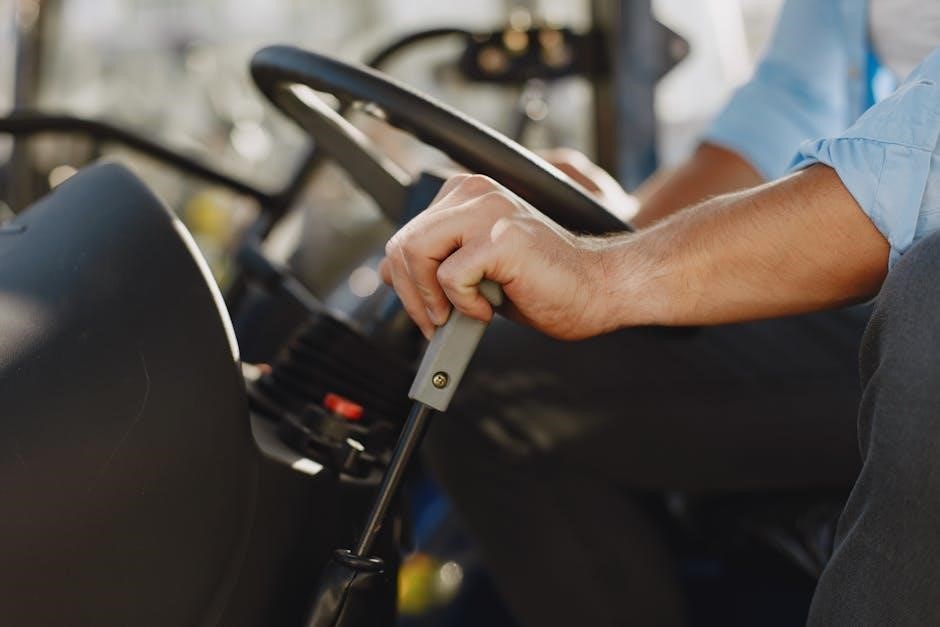
Resources for Learning and Practice
Numerous online tutorials and videos, like those on YouTube, supplement in-car lessons․ Empty parking lots offer safe practice, while driving with experienced manual drivers accelerates learning․
Online Tutorials and Videos
The digital age provides a wealth of resources for aspiring manual transmission drivers․ Platforms like YouTube host countless tutorials, offering visual demonstrations of essential techniques – from clutch control to smooth gear changes․ Channels dedicated to driving instruction break down complex maneuvers into easily digestible steps․
These videos often cover troubleshooting common issues like stalling and “riding the clutch,” providing practical solutions․ Websites also curate playlists specifically designed for manual learners, offering a structured learning path․ However, remember that online resources are best used as a supplement to hands-on instruction, not a replacement․
Resources like clipsaver․ru and ricktube․ru offer downloadable videos for offline viewing, enhancing accessibility․ Utilizing these tools can significantly accelerate your understanding before and after formal driving lessons․
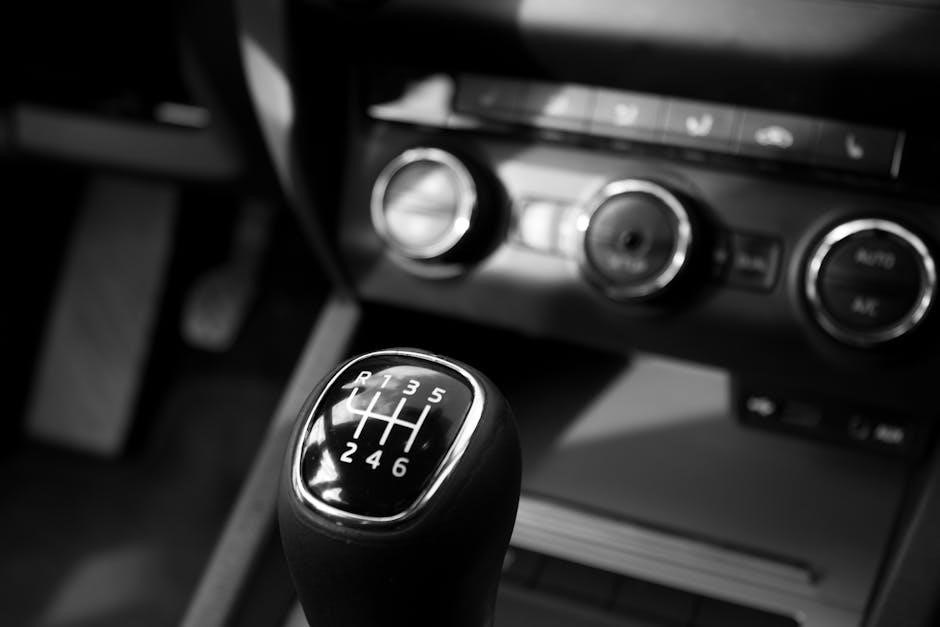
Practice Locations (Empty Parking Lots)
Mastering a manual transmission demands consistent practice, and empty parking lots offer an ideal, safe environment for beginners․ These spaces provide ample room to practice starting, stopping, and shifting gears without the pressure of traffic․ Focus initially on finding the “friction point” and achieving smooth clutch engagement․
Gradually introduce gentle maneuvers like figure eights and slow-speed turns to refine coordination; Remember to practice hill starts, simulating real-world driving conditions․ The absence of other vehicles minimizes the risk of stalling and allows for focused repetition․
Consistent practice in a controlled setting builds muscle memory and confidence before venturing onto public roads․ This foundational practice is crucial for developing a comfortable and proficient driving style․
Driving with Experienced Manual Drivers
Complementing formal lessons with guidance from seasoned manual drivers accelerates learning․ Observing their techniques – smooth gear changes, precise clutch control, and confident hill starts – provides invaluable insights beyond classroom instruction․ Request constructive feedback on your own driving, focusing on areas for improvement․
Experienced drivers can offer real-time advice and demonstrate how to handle challenging situations, like merging into traffic or navigating steep inclines․ This mentorship fosters a deeper understanding of vehicle dynamics and builds confidence․
However, ensure the experienced driver is a patient and communicative instructor, prioritizing safety and clear explanations․ Their guidance, combined with formal training, creates a well-rounded learning experience․