
Dometic Water Heater Manual: A Comprehensive Guide
Navigating the complexities of your Dometic water heater requires a detailed manual; this guide offers essential troubleshooting, maintenance, and repair insights for optimal performance.
Understanding Your Dometic Water Heater
Dometic water heaters are designed to provide reliable hot water for recreational vehicles and various applications. These units commonly operate using either electricity, propane, or a combination of both, offering flexibility based on available resources. Familiarizing yourself with the specific model you own is crucial, as features and operation can vary.
Understanding the core components – the tank, heating element (electric models), burner assembly (propane models), thermostat, and control board – is fundamental for effective troubleshooting. The thermostat regulates water temperature, while the control board manages the heating process. Regular inspection of these parts, as outlined in your Dometic manual, can prevent unexpected failures. Knowing how these systems interact will empower you to diagnose and address issues efficiently, ensuring consistent hot water availability during your travels or stationary use.
Types of Dometic Water Heaters
Dometic offers a diverse range of water heaters tailored to different RV and marine needs. Primarily, these fall into two categories: tank-type and tankless. Tank-type heaters, the more traditional option, store a set volume of heated water, providing a readily available supply. They are available in various capacities to suit different household sizes and usage patterns.
Tankless water heaters, conversely, heat water on demand, eliminating the need for a storage tank. This results in greater energy efficiency and a continuous supply of hot water. Dometic also provides both electric and propane-powered models within each category, offering flexibility based on your energy source preferences. Some models even feature dual-fuel capability, allowing you to switch between electric and propane for optimal convenience and cost-effectiveness. Identifying your specific model is key to understanding its unique features and operational characteristics.
Safety Precautions
Prioritizing safety is paramount when working with your Dometic water heater. Always disconnect both the electric and propane supplies before performing any maintenance or repairs. Never attempt repairs if you are uncomfortable or lack the necessary expertise; consult a qualified technician. Ensure adequate ventilation when working with propane systems to prevent gas buildup and potential hazards.
Be cautious of hot surfaces, as the water heater and surrounding components can reach high temperatures during operation. Avoid touching these areas without proper protection. Regularly inspect the unit for leaks, corrosion, or damage, and address any issues promptly. When flushing the tank, use appropriate safety gear, including eye protection and gloves. Always follow the manufacturer’s instructions and heed all warning labels to ensure safe and reliable operation of your Dometic water heater.
Troubleshooting Common Issues
Addressing frequent problems like no hot water, low temperatures, or unusual sounds is crucial for maintaining a functional Dometic water heater system.
No Hot Water – Electric Mode
When your Dometic water heater fails to produce hot water while operating on electricity, a systematic approach to diagnosis is essential. Begin by verifying the power supply to the unit; ensure the circuit breaker hasn’t tripped and the RV’s electrical system is functioning correctly. Next, carefully check the electric heating element for continuity using a multimeter – a lack of continuity indicates a burned-out element requiring replacement.
Inspect the thermostat, as it may have tripped due to overheating; resetting it could restore functionality. Confirm the thermostat is properly set to the desired temperature. If these steps don’t resolve the issue, examine the circuit board for any visible damage or blown fuses. A faulty circuit board or fuse can prevent the heating element from receiving power. Remember to always disconnect power before performing any electrical checks or repairs for safety.
No Hot Water – Propane Mode
If your Dometic water heater isn’t heating water while using propane, start by confirming a sufficient propane supply to the RV. Check the propane tank level and ensure the tank valve is fully open. Next, inspect the LP gas supply line and valve specifically for any obstructions or damage. Verify the propane switch on the water heater is turned to the “On” position.
A crucial step is checking for 12-volt power reaching the control board when the propane switch is engaged; use a multimeter to confirm this. If power is present, the issue might lie with the control board itself or the high-limit switch. A malfunctioning control board or tripped high-limit switch can prevent ignition. Always prioritize safety and disconnect the propane supply before conducting any inspections or repairs related to the gas system.
Low Hot Water Temperature
Experiencing lukewarm water instead of a comfortably hot temperature often indicates a problem with the heating element or thermostat settings. Begin by verifying the thermostat is set to the desired temperature; sometimes, a simple adjustment resolves the issue. If using electric mode, check the electric heating element for continuity with a multimeter – a lack of continuity signifies a failed element needing replacement.
For propane mode, ensure adequate propane supply and a properly functioning gas valve. A partially blocked burner or a failing thermocouple can also contribute to low temperatures. Inspect the anode rod for corrosion; a heavily corroded rod reduces heating efficiency. Consider flushing the tank to remove sediment buildup, which can insulate the water and hinder heat transfer. Regularly maintaining these components ensures optimal performance.
Water Heater Clicking Sound
A clicking sound emanating from your Dometic water heater often points to issues with the gas valve or the igniter assembly, particularly in propane mode. The clicking is typically the sound of the igniter attempting to light the burner. If the burner doesn’t ignite after several clicks, the igniter may be weak or faulty, or there could be a problem with the gas supply.
Inspect the gas valve for proper operation and ensure the propane tank isn’t empty. A failing control board can also cause intermittent clicking. In electric mode, a clicking sound is less common but could indicate a relay issue. Always prioritize safety; if you smell gas, immediately shut off the supply and ventilate the area before investigating further. Professional assistance is recommended for gas-related concerns.
Component Checks & Repairs
Detailed inspection of heating elements, thermostats, gas valves, and the circuit board are crucial for diagnosing and resolving Dometic water heater malfunctions effectively.
Checking the Electric Heating Element
Before beginning, disconnect all power sources to the water heater to ensure safety. Accessing the electric heating element typically involves removing an access panel. Once exposed, visually inspect the element for any signs of corrosion, damage, or burnout. Utilize a multimeter set to the ohms setting to test for continuity across the element’s terminals.
A reading of zero or a very low resistance indicates a good element, while an infinite resistance reading signifies an open circuit and a failed element. If the element fails the continuity test, it requires replacement. Remember to note the element’s wattage and voltage for proper replacement. Carefully disconnect the wiring, remove the old element, and install the new one, ensuring a secure connection. Reassemble the access panel and restore power to test the repair.
Inspecting and Resetting the Thermostat
The thermostat regulates water temperature; a malfunctioning thermostat can cause no heat or inconsistent heating. Locate the thermostat, usually behind an access panel. Visually inspect it for any signs of damage or corrosion. Many Dometic water heaters feature a resettable high-limit switch incorporated into the thermostat assembly.
To reset, locate the small button (often red) and press it firmly. A “click” sound usually confirms the reset. If the thermostat continues to trip, indicating a recurring issue, further investigation is needed. Use a multimeter to verify the thermostat is calling for heat when the water temperature is low. If it isn’t, the thermostat itself may be faulty and require replacement. Always disconnect power before any inspection or repair.
LP Gas Supply and Valve Inspection
Ensuring a consistent LP gas supply is crucial for propane-fueled Dometic water heaters. Begin by verifying the propane tank has sufficient fuel. Next, carefully inspect the gas line from the tank to the water heater for any kinks, leaks, or damage. A soapy water solution can help detect leaks – bubbles will form where gas escapes.
Examine the gas valve itself, ensuring it’s fully open and functioning correctly. Check for corrosion or debris obstructing the valve’s operation. If the valve appears faulty, do not attempt repairs; replace it with a compatible Dometic part. Always shut off the gas supply at the tank before inspecting or working on the gas valve or any related components. A gas leak poses a serious safety hazard, so proceed with caution.
Circuit Board and Fuse Examination
The circuit board is the brain of your Dometic water heater, controlling various functions. Begin by visually inspecting the board for any signs of damage, such as burnt components or corrosion. Carefully examine the board for any loose connections or damaged wiring. A common issue is a blown fuse, protecting the system from power surges.
Locate the fuse on the circuit board – its location varies by model – and check its continuity using a multimeter. If the fuse is blown, replace it with a fuse of the exact same amperage rating. Do not use a higher amperage fuse, as this could cause further damage. If the fuse continues to blow, it indicates a more significant problem with the circuit board or another component, requiring professional diagnosis and repair.

Advanced Troubleshooting
Delving deeper into complex issues requires specialized testing, like verifying 12-volt power and diagnosing control board failures for optimal heater functionality.
Testing 12-Volt Power to the Control Board
Confirming adequate 12-volt power delivery to the control board is a crucial step in diagnosing Dometic water heater malfunctions, particularly when the propane function isn’t operating correctly. Begin by ensuring the RV’s house batteries are fully charged and connected. Using a multimeter set to DC voltage, carefully probe the 12-volt input terminals on the control board itself.
The multimeter should register approximately 12.6 volts when the propane switch is engaged. A reading significantly lower than this indicates a potential issue with the wiring, a blown fuse in the 12-volt circuit, or a failing battery. Trace the wiring harness back towards the power source, checking for loose connections or corrosion. Remember to disconnect power before inspecting any wiring. If voltage is present at the board but the heater still fails to ignite, the control board itself may be faulty and require replacement.
Diagnosing Control Board Failures
Identifying a faulty control board in your Dometic water heater often requires a process of elimination, having already verified proper power supply and component functionality. Visual inspection is the first step; look for any signs of burnt components, cracked solder joints, or corrosion on the board itself. If no visible damage is apparent, a multimeter can be used to test for continuity across key components, following the wiring diagram in your Dometic manual.
A lack of continuity suggests a failed component. However, intermittent failures can be difficult to pinpoint. If testing yields inconclusive results, consider replacing the control board with a known working unit as a diagnostic measure. If the new board resolves the issue, the original board was indeed the source of the problem. Always disconnect power before handling or replacing the control board.
Identifying and Replacing the High Limit Switch
The high limit switch is a crucial safety device preventing overheating within your Dometic water heater. If your heater consistently shuts down, even without reaching excessive temperatures, a faulty high limit switch is a likely culprit. Locate the switch – typically near the heating element or thermostat – and use a multimeter to test for continuity. A lack of continuity indicates a tripped or failed switch.
Before replacing, ensure the underlying cause of overheating is addressed, such as a faulty thermostat or sediment buildup. To replace, disconnect power, carefully remove the old switch, and install the new one, ensuring secure connections. Always use a Dometic-approved replacement part to maintain safety and compatibility. After replacement, test the heater thoroughly to confirm proper operation and prevent future issues.
Water Heater Tank Leak Detection
Prompt detection of leaks is vital to prevent extensive water damage and ensure safe operation of your Dometic water heater. Regularly inspect the tank’s seams, connections, and the pressure relief valve for any signs of moisture, corrosion, or dripping water. Pay close attention to areas where fittings connect to the tank. Even small, slow leaks can escalate quickly;
If a leak is discovered, immediately shut off the water supply and power to the heater. A leaking tank often indicates internal corrosion and may necessitate complete replacement rather than repair. Carefully examine the source of the leak; a faulty fitting might be tightened or replaced, but tank leaks themselves are generally irreparable. Professional assessment is recommended to determine the extent of the damage and the safest course of action.
Maintenance and Care
Consistent upkeep, including flushing the tank, inspecting the anode rod, and winterizing procedures, significantly extends the lifespan and efficiency of your Dometic water heater.
Flushing the Water Heater Tank
Regularly flushing your Dometic water heater tank is crucial for removing sediment buildup, which can reduce heating efficiency and potentially damage the unit. Begin by turning off the power – either the electric switch or propane supply – and allowing the water to cool completely. Connect a garden hose to the drain valve located at the bottom of the tank.
Position the other end of the hose to safely direct the water away from your RV. Open the drain valve and allow the tank to empty completely. Once drained, briefly open the cold water inlet to flush out any remaining debris; repeat this process several times until the water runs clear.
Close the drain valve securely and refill the tank with fresh water before restoring power. This preventative maintenance step, performed at least annually, ensures optimal performance and prolongs the life of your Dometic water heater, preventing costly repairs down the line.
Anode Rod Inspection and Replacement
The anode rod is a sacrificial component within your Dometic water heater, designed to protect the tank from corrosion. Regular inspection – ideally annually – is vital. To access the anode rod, you’ll typically need to locate the designated access port, often on the side or top of the heater. Carefully remove the anode rod, noting its condition.
If the rod is significantly corroded (less than 6 inches of core wire remaining, or heavily coated with scale), it needs replacement. A deteriorated anode rod indicates it’s actively protecting the tank. Installing a new anode rod prevents tank failure and extends the heater’s lifespan.
Ensure the replacement rod is the correct type for your Dometic model; Apply pipe thread sealant to the threads before re-installing, and tighten securely. This simple maintenance task can save you from expensive water heater replacement costs.
Winterizing Your Dometic Water Heater
Protecting your Dometic water heater from freezing temperatures is crucial to prevent damage. Begin by completely draining the tank. Open the drain plug and allow all water to evacuate. Next, bypass the water heater using the appropriate bypass valve system, preventing antifreeze from entering the tank.
Introduce RV-specific, non-toxic antifreeze into the water lines by pumping it through the system until antifreeze flows freely from all faucets. Don’t use automotive antifreeze! For electric heaters, ensure the heating elements are dry. For propane models, close the gas supply valve.
Finally, remove the anode rod and spray antifreeze inside the tank to provide additional protection. Reinstall the anode rod loosely. This process safeguards against cracked tanks and damaged components during cold weather.
Regular Cleaning Procedures
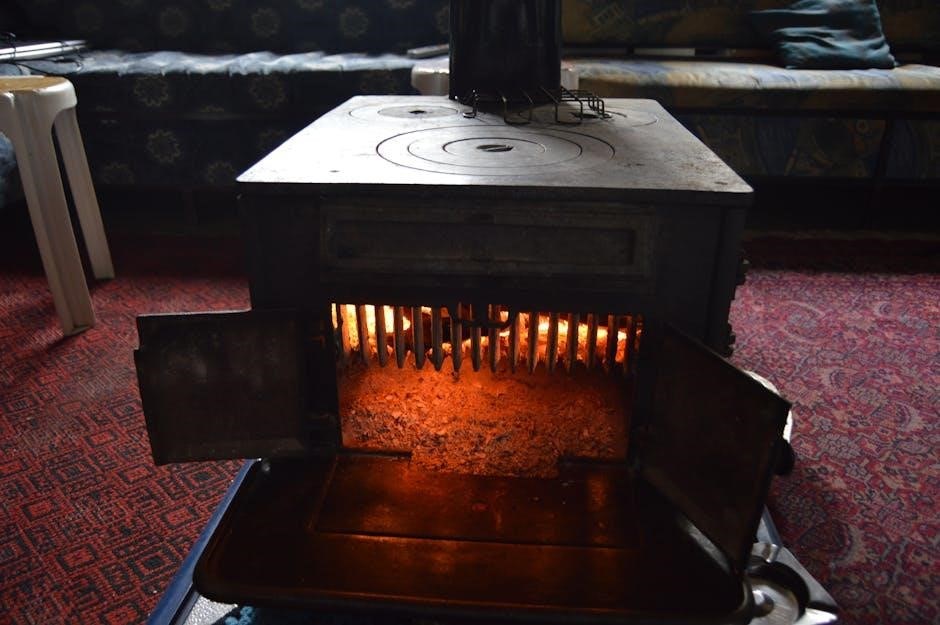
Maintaining a clean Dometic water heater extends its lifespan and ensures optimal performance. Periodically flush the tank to remove sediment buildup, which can reduce heating efficiency and cause corrosion. This is best done at least annually, or more frequently with hard water.
Disconnect power (electric or propane) before beginning. Drain the tank completely, then remove the drain plug and flush with clean water until the outflow runs clear. Inspect the tank’s exterior for any signs of corrosion or damage, cleaning with a mild detergent if needed.
Pay attention to the burner assembly on propane models, ensuring it’s free of debris. Regularly check and clean the temperature and pressure relief valve to guarantee proper operation. Consistent cleaning prevents costly repairs and ensures years of reliable hot water.