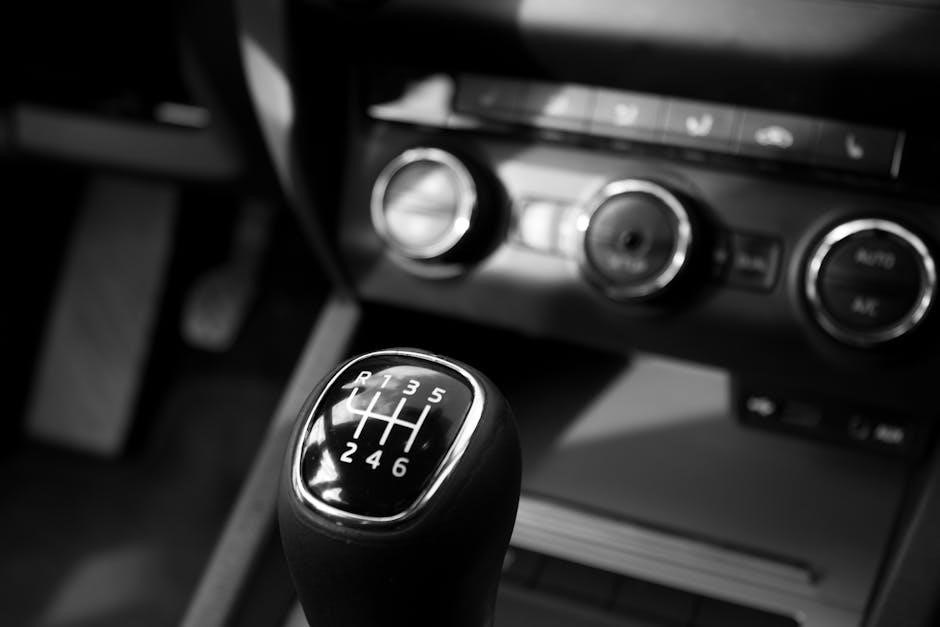

dometic water heater manual

Dometic Water Heater Manual: A Comprehensive Guide

Navigating the complexities of your Dometic water heater requires a detailed manual; this guide offers essential troubleshooting, maintenance, and repair insights for optimal performance.

Understanding Your Dometic Water Heater

Dometic water heaters are designed to provide reliable hot water for recreational vehicles and various applications. These units commonly operate using either electricity, propane, or a combination of both, offering flexibility based on available resources. Familiarizing yourself with the specific model you own is crucial, as features and operation can vary.

Understanding the core components – the tank, heating element (electric models), burner assembly (propane models), thermostat, and control board – is fundamental for effective troubleshooting. The thermostat regulates water temperature, while the control board manages the heating process. Regular inspection of these parts, as outlined in your Dometic manual, can prevent unexpected failures. Knowing how these systems interact will empower you to diagnose and address issues efficiently, ensuring consistent hot water availability during your travels or stationary use.

Types of Dometic Water Heaters

Dometic offers a diverse range of water heaters tailored to different RV and marine needs. Primarily, these fall into two categories: tank-type and tankless. Tank-type heaters, the more traditional option, store a set volume of heated water, providing a readily available supply. They are available in various capacities to suit different household sizes and usage patterns.

Tankless water heaters, conversely, heat water on demand, eliminating the need for a storage tank. This results in greater energy efficiency and a continuous supply of hot water. Dometic also provides both electric and propane-powered models within each category, offering flexibility based on your energy source preferences. Some models even feature dual-fuel capability, allowing you to switch between electric and propane for optimal convenience and cost-effectiveness. Identifying your specific model is key to understanding its unique features and operational characteristics.

Safety Precautions

Prioritizing safety is paramount when working with your Dometic water heater. Always disconnect both the electric and propane supplies before performing any maintenance or repairs. Never attempt repairs if you are uncomfortable or lack the necessary expertise; consult a qualified technician. Ensure adequate ventilation when working with propane systems to prevent gas buildup and potential hazards.

Be cautious of hot surfaces, as the water heater and surrounding components can reach high temperatures during operation. Avoid touching these areas without proper protection. Regularly inspect the unit for leaks, corrosion, or damage, and address any issues promptly. When flushing the tank, use appropriate safety gear, including eye protection and gloves. Always follow the manufacturer’s instructions and heed all warning labels to ensure safe and reliable operation of your Dometic water heater.

Troubleshooting Common Issues

Addressing frequent problems like no hot water, low temperatures, or unusual sounds is crucial for maintaining a functional Dometic water heater system.

No Hot Water – Electric Mode

When your Dometic water heater fails to produce hot water while operating on electricity, a systematic approach to diagnosis is essential. Begin by verifying the power supply to the unit; ensure the circuit breaker hasn’t tripped and the RV’s electrical system is functioning correctly. Next, carefully check the electric heating element for continuity using a multimeter – a lack of continuity indicates a burned-out element requiring replacement.

Inspect the thermostat, as it may have tripped due to overheating; resetting it could restore functionality. Confirm the thermostat is properly set to the desired temperature. If these steps don’t resolve the issue, examine the circuit board for any visible damage or blown fuses. A faulty circuit board or fuse can prevent the heating element from receiving power. Remember to always disconnect power before performing any electrical checks or repairs for safety.

No Hot Water – Propane Mode

If your Dometic water heater isn’t heating water while using propane, start by confirming a sufficient propane supply to the RV. Check the propane tank level and ensure the tank valve is fully open. Next, inspect the LP gas supply line and valve specifically for any obstructions or damage. Verify the propane switch on the water heater is turned to the “On” position.

A crucial step is checking for 12-volt power reaching the control board when the propane switch is engaged; use a multimeter to confirm this. If power is present, the issue might lie with the control board itself or the high-limit switch. A malfunctioning control board or tripped high-limit switch can prevent ignition. Always prioritize safety and disconnect the propane supply before conducting any inspections or repairs related to the gas system.

Low Hot Water Temperature

Experiencing lukewarm water instead of a comfortably hot temperature often indicates a problem with the heating element or thermostat settings. Begin by verifying the thermostat is set to the desired temperature; sometimes, a simple adjustment resolves the issue. If using electric mode, check the electric heating element for continuity with a multimeter – a lack of continuity signifies a failed element needing replacement.

For propane mode, ensure adequate propane supply and a properly functioning gas valve. A partially blocked burner or a failing thermocouple can also contribute to low temperatures. Inspect the anode rod for corrosion; a heavily corroded rod reduces heating efficiency. Consider flushing the tank to remove sediment buildup, which can insulate the water and hinder heat transfer. Regularly maintaining these components ensures optimal performance.

Water Heater Clicking Sound

A clicking sound emanating from your Dometic water heater often points to issues with the gas valve or the igniter assembly, particularly in propane mode. The clicking is typically the sound of the igniter attempting to light the burner. If the burner doesn’t ignite after several clicks, the igniter may be weak or faulty, or there could be a problem with the gas supply.

Inspect the gas valve for proper operation and ensure the propane tank isn’t empty. A failing control board can also cause intermittent clicking. In electric mode, a clicking sound is less common but could indicate a relay issue. Always prioritize safety; if you smell gas, immediately shut off the supply and ventilate the area before investigating further. Professional assistance is recommended for gas-related concerns.
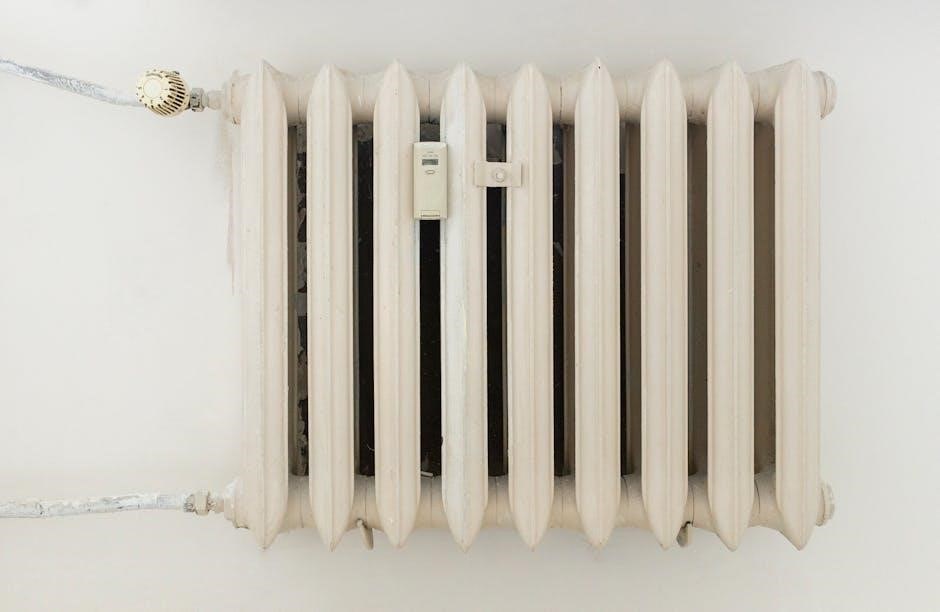
Component Checks & Repairs

Detailed inspection of heating elements, thermostats, gas valves, and the circuit board are crucial for diagnosing and resolving Dometic water heater malfunctions effectively.

Checking the Electric Heating Element

Before beginning, disconnect all power sources to the water heater to ensure safety. Accessing the electric heating element typically involves removing an access panel. Once exposed, visually inspect the element for any signs of corrosion, damage, or burnout. Utilize a multimeter set to the ohms setting to test for continuity across the element’s terminals.

A reading of zero or a very low resistance indicates a good element, while an infinite resistance reading signifies an open circuit and a failed element. If the element fails the continuity test, it requires replacement. Remember to note the element’s wattage and voltage for proper replacement. Carefully disconnect the wiring, remove the old element, and install the new one, ensuring a secure connection. Reassemble the access panel and restore power to test the repair.

Inspecting and Resetting the Thermostat

The thermostat regulates water temperature; a malfunctioning thermostat can cause no heat or inconsistent heating. Locate the thermostat, usually behind an access panel. Visually inspect it for any signs of damage or corrosion. Many Dometic water heaters feature a resettable high-limit switch incorporated into the thermostat assembly.

To reset, locate the small button (often red) and press it firmly. A “click” sound usually confirms the reset. If the thermostat continues to trip, indicating a recurring issue, further investigation is needed. Use a multimeter to verify the thermostat is calling for heat when the water temperature is low. If it isn’t, the thermostat itself may be faulty and require replacement. Always disconnect power before any inspection or repair.

LP Gas Supply and Valve Inspection

Ensuring a consistent LP gas supply is crucial for propane-fueled Dometic water heaters. Begin by verifying the propane tank has sufficient fuel. Next, carefully inspect the gas line from the tank to the water heater for any kinks, leaks, or damage. A soapy water solution can help detect leaks – bubbles will form where gas escapes.
Examine the gas valve itself, ensuring it’s fully open and functioning correctly. Check for corrosion or debris obstructing the valve’s operation. If the valve appears faulty, do not attempt repairs; replace it with a compatible Dometic part. Always shut off the gas supply at the tank before inspecting or working on the gas valve or any related components. A gas leak poses a serious safety hazard, so proceed with caution.

Circuit Board and Fuse Examination

The circuit board is the brain of your Dometic water heater, controlling various functions. Begin by visually inspecting the board for any signs of damage, such as burnt components or corrosion. Carefully examine the board for any loose connections or damaged wiring. A common issue is a blown fuse, protecting the system from power surges.

Locate the fuse on the circuit board – its location varies by model – and check its continuity using a multimeter. If the fuse is blown, replace it with a fuse of the exact same amperage rating. Do not use a higher amperage fuse, as this could cause further damage. If the fuse continues to blow, it indicates a more significant problem with the circuit board or another component, requiring professional diagnosis and repair.

Advanced Troubleshooting

Delving deeper into complex issues requires specialized testing, like verifying 12-volt power and diagnosing control board failures for optimal heater functionality.

Testing 12-Volt Power to the Control Board

Confirming adequate 12-volt power delivery to the control board is a crucial step in diagnosing Dometic water heater malfunctions, particularly when the propane function isn’t operating correctly. Begin by ensuring the RV’s house batteries are fully charged and connected. Using a multimeter set to DC voltage, carefully probe the 12-volt input terminals on the control board itself.

The multimeter should register approximately 12.6 volts when the propane switch is engaged. A reading significantly lower than this indicates a potential issue with the wiring, a blown fuse in the 12-volt circuit, or a failing battery. Trace the wiring harness back towards the power source, checking for loose connections or corrosion. Remember to disconnect power before inspecting any wiring. If voltage is present at the board but the heater still fails to ignite, the control board itself may be faulty and require replacement.

Diagnosing Control Board Failures

Identifying a faulty control board in your Dometic water heater often requires a process of elimination, having already verified proper power supply and component functionality. Visual inspection is the first step; look for any signs of burnt components, cracked solder joints, or corrosion on the board itself. If no visible damage is apparent, a multimeter can be used to test for continuity across key components, following the wiring diagram in your Dometic manual.

A lack of continuity suggests a failed component. However, intermittent failures can be difficult to pinpoint. If testing yields inconclusive results, consider replacing the control board with a known working unit as a diagnostic measure. If the new board resolves the issue, the original board was indeed the source of the problem. Always disconnect power before handling or replacing the control board.

Identifying and Replacing the High Limit Switch

The high limit switch is a crucial safety device preventing overheating within your Dometic water heater. If your heater consistently shuts down, even without reaching excessive temperatures, a faulty high limit switch is a likely culprit. Locate the switch – typically near the heating element or thermostat – and use a multimeter to test for continuity. A lack of continuity indicates a tripped or failed switch.

Before replacing, ensure the underlying cause of overheating is addressed, such as a faulty thermostat or sediment buildup. To replace, disconnect power, carefully remove the old switch, and install the new one, ensuring secure connections. Always use a Dometic-approved replacement part to maintain safety and compatibility. After replacement, test the heater thoroughly to confirm proper operation and prevent future issues.

Water Heater Tank Leak Detection

Prompt detection of leaks is vital to prevent extensive water damage and ensure safe operation of your Dometic water heater. Regularly inspect the tank’s seams, connections, and the pressure relief valve for any signs of moisture, corrosion, or dripping water. Pay close attention to areas where fittings connect to the tank. Even small, slow leaks can escalate quickly;

If a leak is discovered, immediately shut off the water supply and power to the heater. A leaking tank often indicates internal corrosion and may necessitate complete replacement rather than repair. Carefully examine the source of the leak; a faulty fitting might be tightened or replaced, but tank leaks themselves are generally irreparable. Professional assessment is recommended to determine the extent of the damage and the safest course of action.

Maintenance and Care

Consistent upkeep, including flushing the tank, inspecting the anode rod, and winterizing procedures, significantly extends the lifespan and efficiency of your Dometic water heater.

Flushing the Water Heater Tank

Regularly flushing your Dometic water heater tank is crucial for removing sediment buildup, which can reduce heating efficiency and potentially damage the unit. Begin by turning off the power – either the electric switch or propane supply – and allowing the water to cool completely. Connect a garden hose to the drain valve located at the bottom of the tank.

Position the other end of the hose to safely direct the water away from your RV. Open the drain valve and allow the tank to empty completely. Once drained, briefly open the cold water inlet to flush out any remaining debris; repeat this process several times until the water runs clear.

Close the drain valve securely and refill the tank with fresh water before restoring power. This preventative maintenance step, performed at least annually, ensures optimal performance and prolongs the life of your Dometic water heater, preventing costly repairs down the line.

Anode Rod Inspection and Replacement

The anode rod is a sacrificial component within your Dometic water heater, designed to protect the tank from corrosion. Regular inspection – ideally annually – is vital. To access the anode rod, you’ll typically need to locate the designated access port, often on the side or top of the heater. Carefully remove the anode rod, noting its condition.

If the rod is significantly corroded (less than 6 inches of core wire remaining, or heavily coated with scale), it needs replacement. A deteriorated anode rod indicates it’s actively protecting the tank. Installing a new anode rod prevents tank failure and extends the heater’s lifespan.

Ensure the replacement rod is the correct type for your Dometic model; Apply pipe thread sealant to the threads before re-installing, and tighten securely. This simple maintenance task can save you from expensive water heater replacement costs.

Winterizing Your Dometic Water Heater

Protecting your Dometic water heater from freezing temperatures is crucial to prevent damage. Begin by completely draining the tank. Open the drain plug and allow all water to evacuate. Next, bypass the water heater using the appropriate bypass valve system, preventing antifreeze from entering the tank.

Introduce RV-specific, non-toxic antifreeze into the water lines by pumping it through the system until antifreeze flows freely from all faucets. Don’t use automotive antifreeze! For electric heaters, ensure the heating elements are dry. For propane models, close the gas supply valve.

Finally, remove the anode rod and spray antifreeze inside the tank to provide additional protection. Reinstall the anode rod loosely. This process safeguards against cracked tanks and damaged components during cold weather.

Regular Cleaning Procedures
Maintaining a clean Dometic water heater extends its lifespan and ensures optimal performance. Periodically flush the tank to remove sediment buildup, which can reduce heating efficiency and cause corrosion. This is best done at least annually, or more frequently with hard water.

Disconnect power (electric or propane) before beginning. Drain the tank completely, then remove the drain plug and flush with clean water until the outflow runs clear. Inspect the tank’s exterior for any signs of corrosion or damage, cleaning with a mild detergent if needed.

Pay attention to the burner assembly on propane models, ensuring it’s free of debris. Regularly check and clean the temperature and pressure relief valve to guarantee proper operation. Consistent cleaning prevents costly repairs and ensures years of reliable hot water.


silent knight 5208 manual

Silent Knight 5208 Manual: A Comprehensive Guide

This manual details the Silent Knight 5208 fire control/communicator system’s installation, operation, and programming, ensuring adherence to UL 864 and NFPA 72 standards.

The Silent Knight 5208 represents a robust fire control and communicator system meticulously engineered for dependable fire detection and swift emergency response. This system is designed to support up to 30 devices, offering scalability for diverse applications. It’s crucial for facilities requiring a reliable and compliant fire alarm solution, adhering to stringent industry standards like UL 864 and NFPA 72.

This manual serves as a comprehensive resource for professionals involved in the installation, operation, and programming of the SK-5208. Understanding its capabilities and proper configuration is paramount for ensuring optimal performance and life safety. The SK-5208 is a sophisticated system, and this guide will navigate users through its intricacies, from initial setup to ongoing maintenance.

Overview of Key Features and Capabilities

The Silent Knight 5208 boasts a suite of features designed for comprehensive fire protection. Key capabilities include support for various detection devices, programmable relays for alarm activation and notification, and flexible zone configurations to tailor the system to specific facility layouts. It offers robust communication options, including connection to the telephone network via RJ31X, ensuring reliable alarm transmission.

Furthermore, the system’s programming interface allows for customized sensitivity adjustments, minimizing false alarms while maximizing responsiveness to genuine threats. The SK-5208’s ability to integrate with other building systems enhances overall safety management. Its compliance with UL 864 and NFPA 72 guarantees a recognized and trusted level of performance and reliability, crucial for life safety applications.

System Components and Their Functions

The Silent Knight 5208 system comprises several key components working in unison. The control panel serves as the central hub, processing signals from detection devices like smoke and heat detectors. Programmable relays facilitate external device control upon alarm activation, such as door unlocking or HVAC shutdown. The system utilizes a battery backup to ensure continued operation during power outages.

The RJ31X interface enables communication with central monitoring stations via the telephone network. A user-friendly display provides system status and alarm information. Each component plays a vital role in the system’s overall functionality, contributing to reliable fire detection and a swift emergency response. Proper understanding of each component is crucial for effective programming and maintenance.

Installation Procedures

Proper installation involves careful mounting, precise wiring, and secure connection to the telephone network (RJ31X), alongside diligent battery setup and upkeep.

Mounting and Wiring Instructions

Mounting the Silent Knight 5208 requires a secure, level surface capable of supporting its weight. Ensure adequate space around the panel for wiring and future maintenance. Utilize appropriate hardware for the mounting surface, adhering to local building codes.

Wiring must follow all applicable electrical codes and standards. Pay close attention to wire gauge and termination methods. Proper grounding is crucial for system reliability and safety. Clearly label all wiring connections for easy identification during troubleshooting or future modifications.

Refer to the wiring diagrams provided in the manual for specific connection details. Incorrect wiring can lead to system malfunction or damage. Double-check all connections before applying power. Consider using wire management techniques to maintain a neat and organized installation, improving accessibility and reducing the risk of accidental disconnections.

Connecting to the Telephone Network (RJ31X)

The Silent Knight 5208 utilizes an RJ31X connection to communicate with the central monitoring station via the telephone network. This connection must be installed by the telephone company to ensure proper functionality and compliance with regulations. The panel requires a Type 0.5B RJ31X jack.

Incorrect installation can disrupt telephone service or prevent alarm signals from reaching the monitoring center. The telephone company will notify the user if the SK-5208 causes harm to the network, potentially requiring temporary service discontinuation.

Verify the RJ31X connection is secure and properly wired according to telephone company specifications. Testing the communication link after installation is vital to confirm successful signal transmission. Refer to the manual for detailed instructions and troubleshooting tips related to telephone network connectivity.

Battery Installation and Maintenance

The Silent Knight 5208 requires properly installed and maintained batteries to ensure reliable operation during power outages. Regularly inspect the batteries for signs of corrosion, leakage, or damage. Replace batteries according to the manufacturer’s recommendations, typically every 3-5 years, or sooner if performance declines.

Use only batteries specified for the SK-5208 to avoid system malfunctions. Proper battery installation involves connecting the terminals with correct polarity and securing them firmly within the panel.

Periodic testing of the battery system is crucial to verify its ability to provide backup power. Document all battery replacements and maintenance activities. A failing battery can compromise the entire fire alarm system, so proactive maintenance is essential for life safety.

Programming the Silent Knight 5208

Programming the Silent Knight 5208 involves accessing the system using an installer code, configuring zones, relays, and communication settings for optimal performance.

Accessing Programming Mode (Installer Code)

Accessing the programming mode on the Silent Knight 5208 requires the correct installer code. If the default code has been altered, as is common for security, you’ll need the currently assigned code. Entering this code grants access to modify system parameters.

However, if the installer code is lost or forgotten, a significant hurdle arises. Direct access to programming is blocked, preventing adjustments to relays, zones, or communication settings. Silent Knight’s technical support suggests two primary solutions: a full system default – which erases all existing configurations – or initiating a Password Agreement Form request.

The Password Agreement Form process involves the facility owner contacting Silent Knight directly to verify ownership and request a code reset. This is the preferred method to avoid a complete system reconfiguration. Without the correct code or a reset, advanced system customization remains inaccessible.

Programming Relays for General Alarm Activation

Programming relays for general alarm activation on the Silent Knight 5208 allows for external device control during a fire event. The system features onboard, programmable relays configurable to trigger upon various alarm states, including a general alarm. Accessing the programming mode with the correct installer code is the first step.

Within the programming interface, locate the relay output settings. Assign the desired relay to activate upon a general alarm condition. This ensures that when the panel detects a fire and enters general alarm, the designated relay energizes, initiating connected devices like door unlocks or notification systems.

Careful consideration should be given to relay assignments to avoid unintended consequences. Proper configuration guarantees a coordinated response during emergencies, enhancing safety and evacuation procedures. Remember to test the relay functionality after programming.

Zone Configuration and Sensitivity Adjustment

Zone configuration is crucial for accurately identifying fire locations within a protected premise using the Silent Knight 5208. Each zone represents a specific area monitored by detection devices. Proper zone definition allows for quick response and targeted evacuation procedures.

Sensitivity adjustment determines how much stimulus is required to trigger an alarm within a zone. Adjusting sensitivity levels is vital to minimize false alarms caused by environmental factors like dust or temperature fluctuations. Higher sensitivity detects smaller changes, while lower sensitivity requires more significant events.

Careful calibration of sensitivity settings, based on the specific environment and device type, is essential for reliable fire detection. Regularly review and adjust zone configurations and sensitivities to maintain optimal system performance and minimize nuisance alarms.

Programming Communication Settings

Programming communication settings on the Silent Knight 5208 ensures reliable transmission of alarm signals to a central monitoring station. This involves configuring the panel to communicate via telephone lines, utilizing the RJ31X connection, or through IP-based communication methods if equipped.

Key settings include the phone number of the monitoring station, communication format (e.g., SIA, CIAS), and retry attempts in case of initial transmission failure. Proper configuration of these parameters guarantees prompt notification of fire events.

Regularly verify communication pathways and settings to confirm functionality. Incorrect settings can lead to delayed or failed alarm transmissions, compromising life safety. Accurate programming is paramount for a fully operational fire alarm system.

Operation and User Interface

The Silent Knight 5208 control panel display provides crucial system status information, enabling users to understand alarm conditions and respond appropriately.

Understanding the Control Panel Display

The Silent Knight 5208 control panel display is the primary interface for monitoring system status and responding to events. The display utilizes a combination of icons, text messages, and LED indicators to convey critical information. Key elements include zone status indicators, which illuminate to show which detection zones are in alarm, trouble, or normal condition.

Text messages provide detailed descriptions of alarm events, such as “Fire Alarm – Zone 1” or “Trouble – Low Battery”. LED indicators signal system-wide conditions, like “System Normal”, “Alarm”, or “Trouble”. Understanding the meaning of these indicators is vital for effective response. The display also shows the current time and date, as well as any active system faults. Familiarizing yourself with the display layout and its various indicators will enable you to quickly assess the situation and take appropriate action during an emergency.

Responding to Fire Alarms

Upon activation of a fire alarm on the Silent Knight 5208 system, immediate and decisive action is crucial. The control panel display will clearly indicate the zone in alarm, providing a location for the potential fire. Immediately verify the alarm by checking for visual confirmation – smoke or flames – if safe to do so.

Initiate the building’s fire evacuation plan, ensuring all occupants are alerted and directed to designated exit routes. Notify the fire department immediately, providing them with the building address and details of the alarm. Do not attempt to extinguish the fire unless properly trained and equipped. Remain calm and follow established emergency procedures. The system’s communication features will automatically notify the monitoring center, who will then contact emergency services.

System Testing and Walkthroughs

Regular testing of the Silent Knight 5208 system is paramount to ensuring its reliability. Conduct weekly fire drills to familiarize occupants with evacuation procedures and alarm signals. Perform a full system test, including initiating alarms at each detection device, to verify proper communication with the monitoring center.

Walkthroughs should be conducted with building personnel to review the system’s operation and emergency procedures. Document all testing and maintenance activities. Ensure all zones are clearly identified and understood. Verify that the system’s relays are functioning correctly upon alarm activation. Address any deficiencies immediately. Proper testing and walkthroughs guarantee a swift and effective response in the event of a real fire emergency.

Troubleshooting Common Issues

Common problems include programming lockouts, communication failures, and battery/power supply issues; solutions range from password resets to contacting Silent Knight support.

Addressing Programming Lockouts

Programming lockouts on the Silent Knight 5208 often occur when the default installer code has been changed and subsequently forgotten. Attempting to access programming mode with an incorrect code will prevent modifications. The primary solution offered by Silent Knight is to default the panel to factory settings, but this is generally undesirable as it erases all existing configurations.

Alternatively, the facility owner must initiate a request for a Password Agreement Form directly from Silent Knight. This form, once completed and returned, authorizes Silent Knight to provide the original installer code or assist in regaining access. This process can take time, so planning ahead is crucial. Avoid unauthorized attempts to bypass security measures, as this could void warranties or compromise system integrity. Contacting Silent Knight support (612-493-6455 or 800-328-0103) is recommended for guidance.

Resolving Communication Failures

Communication failures with the Silent Knight 5208 system typically involve issues with the telephone network connection (RJ31X). Verify the physical connection to the telephone line, ensuring it’s securely plugged into both the panel and the wall jack. Confirm the telephone line itself is active and functioning correctly with a standard telephone.

If the issue persists, check the programming settings related to communication. Incorrect dialer codes or communication formats can prevent successful transmission of alarm signals. The telephone company may need to verify compatibility and signal strength. In rare cases, the SK-5208 might cause harm to the telephone network, prompting a notification from the provider regarding potential service interruption. Contact Silent Knight support (612-493-6455, 800-328-0103) for advanced troubleshooting.

Battery and Power Supply Problems

The Silent Knight 5208 relies on a stable power supply, including battery backup during outages. If the system indicates a low battery condition, immediately inspect the batteries for corrosion or damage. Replace batteries according to the manufacturer’s recommendations, ensuring correct polarity during installation. A failing power supply can also cause intermittent system issues or complete failure.

Verify the AC power source is functioning correctly and providing the appropriate voltage. Check the panel’s fuse or circuit breaker. If the problem persists, a faulty power supply may require replacement by a qualified technician. Regular battery testing and maintenance are crucial for reliable operation. Contact Silent Knight support (612-493-6455, 800-328-0103) if issues remain unresolved.

Technical Specifications

The Silent Knight 5208 boasts FCC registration AC6USA-34758-AL-E, a Ringer Equivalence of Type C, and full compliance with UL 864/NFPA 72.

FCC Registration Information (AC6USA-34758-AL-E)

The Silent Knight 5208 fire alarm control panel has undergone Federal Communications Commission (FCC) registration under the unique identifier AC6USA-34758-AL-E. This registration signifies that the device has been tested and meets the FCC’s standards for electromagnetic interference.

Specifically, this ensures the panel does not cause harmful interference to other electronic devices, like radios and televisions, and that it can operate within established frequency allocations.

Should the Silent Knight 5208 cause interference to the telephone network, the telephone company will provide advance notice of potential temporary service disruption. This is a standard precaution to maintain network integrity. Compliance with FCC regulations is crucial for legal operation within the United States.

Ringer Equivalence (Type C)

The Silent Knight 5208 fire alarm control panel is classified as having a Ringer Equivalence (RE) of Type C. This designation, assigned by the FCC, indicates the panel’s level of signal generation when connected to the public switched telephone network (PSTN) via the RJ31X interface.

A Type C RE rating signifies a higher level of signal strength compared to Type A or B devices. This is important because it ensures the panel can reliably transmit alarm signals to the central monitoring station without interfering with standard telephone communications.

The RE classification helps prevent network congestion and maintains the integrity of voice calls. Proper installation and adherence to telephone company guidelines are essential for optimal performance and compliance with FCC regulations regarding telephone network connectivity.

Compliance with UL 864 and NFPA 72 Standards

The Silent Knight 5208 fire control/communicator system is meticulously designed and manufactured to meet the stringent requirements of UL Standard 864 – Fire Alarm Control Units, and the National Fire Protection Association’s (NFPA) 72 – National Fire Alarm and Signaling Code.

UL 864 certification validates the panel’s reliability, performance, and safety features under various simulated fire scenarios. NFPA 72 provides comprehensive guidelines for the installation, testing, inspection, and maintenance of fire alarm systems, ensuring life safety and property protection.

Compliance with these standards guarantees that the 5208 system will function as intended during an emergency, providing timely and accurate alerts to occupants and the monitoring station. Regular inspections and adherence to NFPA 72 guidelines are crucial for maintaining this compliance.

Maintenance and Support

For assistance, contact Silent Knight Support at 612-493-6455 or 800-328-0103, or request a Password Agreement Form for programming access.

Contacting Silent Knight Support (612-493-6455, 800-328-0103)

Silent Knight provides comprehensive support for the 5208 system to ensure optimal performance and address any challenges encountered during installation, operation, or programming. Technical assistance is readily available via phone at 612-493-6455 or toll-free at 800-328-0103.

When contacting support, be prepared to provide the system’s model number (SK-5208), the document revision (Rev: P, Document No: 151204), and a detailed description of the issue. Having this information readily available will expedite the troubleshooting process. Support can assist with programming lockouts, communication failures, and battery/power supply concerns.

Remember that for certain programming access requests, particularly when the installer code has been changed, a Password Agreement Form may be required directly from Silent Knight.

Password Agreement Form Request Process

If you’ve encountered a programming lockout on your Silent Knight 5208 system, and technical support cannot resolve the issue without the original installer code, a Password Agreement Form is necessary. This form is a security measure implemented by Silent Knight to verify ownership and authorize access to protected programming functions.

The facility owner, or authorized representative, must directly request this form from Silent Knight. The request typically requires providing proof of ownership, system details (model SK-5208, Document No: 151204, Rev: P), and a clear explanation of why access is needed.

Once the completed form is received and verified by Silent Knight, they will provide the necessary programming credentials. This process ensures the security and integrity of the fire alarm system. Contact Silent Knight at 612-493-6455 or 800-328-0103 to initiate the request.

Document Revision History (Document No: 151204, Rev: P)

This document, pertaining to the Silent Knight SK-5208 fire control/communicator system, is identified by Document Number 151204 and currently exists in Revision P. This notation signifies the version control and tracks updates made to the installation, operations, and programming manual over time.

Revision history is crucial for ensuring users have the most accurate and up-to-date information regarding system functionality, compliance with standards like UL 864 and NFPA 72, and troubleshooting procedures. Previous revisions may have addressed changes in features, clarified instructions, or corrected errors.

Users should always refer to the latest revision (Rev: P as of this writing) to guarantee proper system installation, operation, and maintenance. Contact Silent Knight support (612-493-6455, 800-328-0103) to confirm if a newer revision is available.

driving classes for manual transmission

Navigating the roads with a manual transmission offers a unique driving experience, demanding skill and engagement․
Numerous online resources, like YouTube tutorials, demonstrate the fundamentals, while specialized driving schools provide hands-on instruction for mastering this art․

Learning manual transmission requires understanding clutch control, gear shifting, and coordination – skills honed through dedicated practice and expert guidance․

Why Choose Manual Transmission?

Opting for a manual transmission driving experience offers several distinct advantages, despite its declining prevalence․ Drivers gain complete control over the vehicle, fostering a deeper connection with the mechanics of driving․ This heightened awareness often translates to improved fuel efficiency, as drivers consciously manage gear selection for optimal engine performance․

Furthermore, manual transmissions can be more engaging and rewarding, providing a more immersive driving experience․ While automatic transmissions prioritize convenience, mastering a manual gearbox cultivates a valuable skillset and a sense of accomplishment․ It’s a niche skill that can be particularly useful in certain driving situations, and some enthusiasts simply prefer the control it offers․

Ultimately, choosing manual is a statement of driving passion․

The Declining Popularity & Niche Appeal

Historically, manual transmissions dominated the automotive landscape, but their popularity has steadily declined with the rise of automatic and, more recently, continuously variable transmissions (CVTs)․ This shift is driven by consumer preference for ease of use and convenience, particularly in congested urban environments․

However, despite this trend, manual transmissions retain a dedicated, niche appeal․ Car enthusiasts and driving purists often favor manuals for the greater control and engagement they provide․ This has led to a resurgence of interest in learning manual driving skills, fueling demand for specialized driving classes․

Consequently, manual driving is becoming a specialized skill․

Finding the Right Driving School

Selecting a driving school requires careful consideration; look for institutions offering dedicated manual transmission courses or lessons, ensuring qualified instructors and well-maintained vehicles․

Prioritize schools with positive reviews and a proven track record of successful student outcomes․

Specialized Manual Transmission Schools

Dedicated manual transmission schools are becoming increasingly rare, yet they offer the most focused learning environment․ These institutions concentrate solely on mastering the intricacies of stick shift driving, providing intensive instruction tailored to individual skill levels․

Typically, they boast a higher instructor-to-student ratio, allowing for personalized attention and quicker skill development․ The curriculum often extends beyond the basics, encompassing advanced techniques like heel-toe downshifting and rev-matching․ Finding these schools may require broader searches, as they aren’t as prevalent as general driving schools, but the specialized expertise is invaluable for those committed to learning manual․

Consider checking online forums and enthusiast communities for recommendations, as these often highlight hidden gems offering exceptional manual transmission training․

General Driving Schools Offering Manual Lessons

Many established driving schools now incorporate manual transmission lessons into their broader curriculum, catering to a growing demand․ While not their sole focus, these schools provide a convenient option for learners already pursuing a standard driver’s license․

The availability of manual lessons can vary significantly; it’s crucial to inquire directly about their offerings and instructor expertise․ These schools often utilize a mixed fleet of vehicles, including those equipped with manual transmissions, allowing students to practice in real-world conditions․

However, the depth of instruction might not match specialized schools, so verifying the instructor’s proficiency is essential for a comprehensive learning experience․

Checking Instructor Experience & Qualifications

Prior to enrolling, thoroughly investigate the instructor’s background and credentials․ A seasoned instructor possesses not only technical expertise but also the patience to guide learners through the initial challenges of manual driving․

Inquire about their years of experience specifically teaching manual transmission, and whether they hold any relevant certifications or advanced driving qualifications․ Don’t hesitate to ask about their teaching methodology and approach to handling common student difficulties, like stalling or hill starts․

Positive reviews and testimonials can offer valuable insights into their effectiveness and student satisfaction․ A skilled instructor will instill confidence and ensure a safe learning environment․

Core Skills Taught in Manual Driving Classes

Essential skills encompass mastering the clutch, gearbox operation, smooth gear changes, and conquering hill starts – foundational elements for confident manual driving․

These classes build coordination and control, enabling drivers to navigate various road conditions effectively․

Understanding the Gearbox and Clutch

A core component of manual driving instruction focuses on demystifying the gearbox and clutch system․ Students learn the intricate relationship between these two, understanding how the clutch disengages the engine from the wheels, allowing for seamless gear changes․

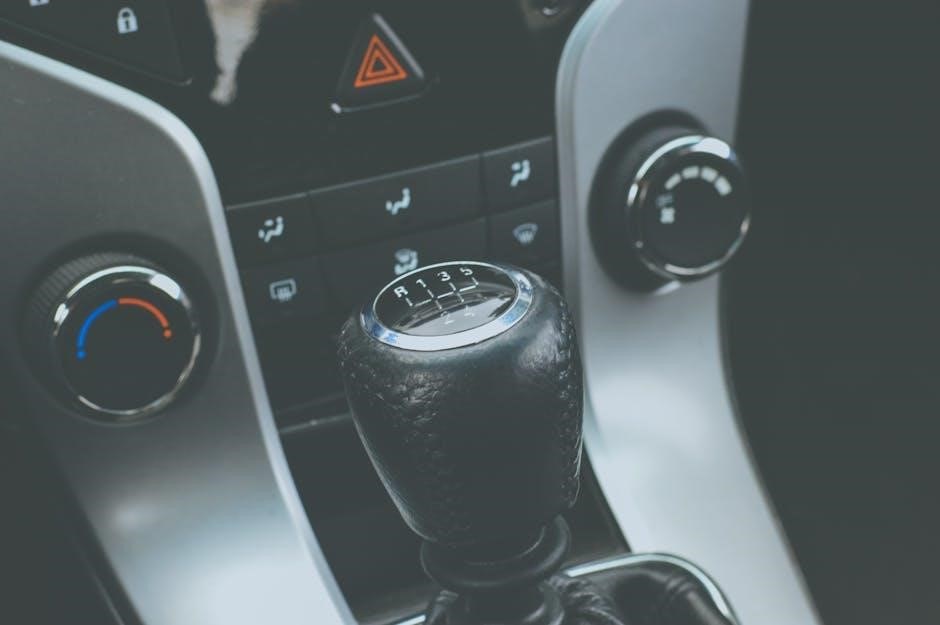
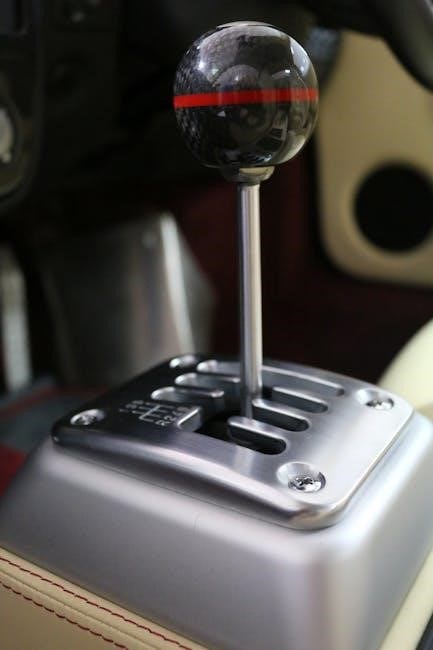
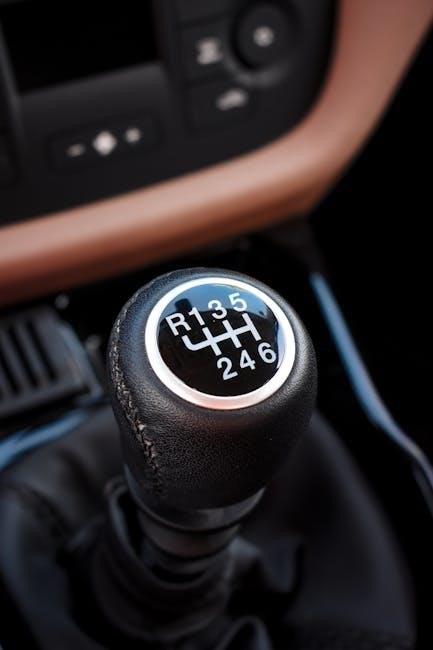
Instructors explain the purpose of each gear – lower gears for acceleration and hill climbing, higher gears for efficient cruising․ Practical exercises involve identifying gear positions and understanding the gear stick’s movement patterns․

Furthermore, students discover the clutch’s “friction zone,” the point where power begins to transfer, crucial for smooth starts and preventing stalling․ This foundational knowledge is vital for building confidence and control․

Mastering the “Friction Point”

The “friction point” is arguably the most critical skill in learning manual transmission, representing the engagement between the engine and the wheels․ Driving instructors dedicate significant time to helping students locate and control this delicate balance․

Exercises typically involve slowly releasing the clutch until the car begins to vibrate or attempt to move, indicating the friction point is reached․ Maintaining this point prevents stalling and allows for controlled starts․

Students practice coordinating the clutch with the accelerator, gradually adding gas as the clutch is released, achieving a smooth, jerk-free launch․ Consistent practice builds muscle memory and intuitive feel for the friction zone․

Smooth Gear Changes: Upshifting and Downshifting

Once comfortable with the friction point, students progress to smooth gear changes, a cornerstone of manual driving proficiency․ Upshifting involves depressing the clutch, selecting the next higher gear, and releasing the clutch while simultaneously applying throttle․

Downshifting, conversely, requires selecting a lower gear, often used for slowing down or preparing for acceleration․ Instructors emphasize rev-matching – briefly increasing engine speed to synchronize with the lower gear – to minimize jolts․

Mastering these techniques demands precise timing and coordination, transforming potentially jerky transitions into seamless gear changes, enhancing driving comfort and control․

Hill Starts: A Common Challenge

Hill starts consistently rank among the most challenging aspects of learning manual transmission, often inducing anxiety for new drivers․ The core difficulty lies in preventing rollback while transitioning from brake to accelerator․

Driving instructors teach techniques like using the handbrake to hold the vehicle stationary, then coordinating clutch release and throttle application․ Alternatively, a quick “heel-toe” motion can briefly hold the brake while simultaneously engaging the gas․

Successful hill starts require precise timing and a confident understanding of the friction point, building driver competence and preventing potentially dangerous situations․

Common Mistakes and How to Avoid Them

New drivers often stall, ride the clutch, or select incorrect gears – common pitfalls addressed in manual transmission classes․ Practice and focused instruction mitigate these errors;

Stalling the Engine

Stalling is arguably the most frequent frustration for beginners learning manual transmission․ It occurs when the engine doesn’t receive enough power to continue running, typically during clutch engagement or gear changes․ Driving instructors emphasize the importance of finding the “friction point” – the sweet spot where the clutch begins to engage – and smoothly coordinating it with the accelerator․

Avoiding stalls requires practice and a delicate touch․ Students learn to gradually release the clutch while simultaneously applying gentle pressure to the gas pedal․ Rushing the process or releasing the clutch too quickly are common causes․ Consistent practice in a safe environment, like an empty parking lot, builds muscle memory and confidence, ultimately reducing stalling incidents․

Riding the Clutch

“Riding the clutch” refers to resting your foot partially on the clutch pedal while driving, even when not shifting gears․ Instructors strongly discourage this habit, as it causes premature wear and tear on the clutch components․ Constant, albeit slight, friction generates heat and accelerates the clutch’s degradation, leading to costly repairs․

Proper technique involves fully releasing the clutch pedal after each gear change and keeping your foot completely off it during normal driving․ Developing this awareness requires conscious effort initially, but it becomes second nature with practice․ Avoiding clutch riding extends the lifespan of the vehicle’s transmission system and promotes smoother, more efficient driving․

Incorrect Gear Selection

Selecting the wrong gear is a common mistake for novice manual drivers, leading to inefficient engine operation and potential strain on the vehicle․ Driving in too high a gear at low speeds causes the engine to lug, while using a low gear at high speeds results in excessive revving and wasted fuel․

Instructors emphasize listening to the engine’s sound and feeling its responsiveness to determine the appropriate gear for the current speed and road conditions․ Understanding the relationship between engine RPM and vehicle speed is crucial․ Practicing smooth transitions between gears, based on these cues, ensures optimal performance and prolongs the life of the drivetrain․

The Cost of Manual Transmission Driving Lessons

Manual transmission lessons vary in price, with package deals often offering savings․ Location and instructor experience significantly influence the overall cost of learning this skill․

Average Lesson Prices

Generally, expect to pay between $75 and $150 per hour for a manual transmission driving lesson․ This price range can fluctuate based on geographical location, with metropolitan areas typically commanding higher rates than rural ones․ A single introductory lesson might be slightly more expensive, functioning as an assessment of your current skill level and a foundational overview of manual driving principles․

Many driving schools offer lesson packages, providing a more cost-effective solution for comprehensive training․ A package of five or ten lessons can reduce the per-hour cost, potentially saving you a significant amount compared to booking individual sessions․ It’s crucial to inquire about any hidden fees or additional charges before committing to a package․

Package Deals and Discounts

Driving schools frequently incentivize students with package deals, offering substantial savings compared to individual lesson bookings․ A common offering is a block of five or ten hours, reducing the per-hour rate considerably․ Some schools structure packages around specific skill levels – beginner, intermediate, and advanced – tailoring the curriculum to your needs․

Discounts are often available for students, military personnel, or those booking lessons during off-peak hours․ Inquire about referral programs, where you and a friend could both receive a discount upon successful referral․ Don’t hesitate to negotiate, especially if you’re considering a larger package; schools may be willing to offer a further reduction in price․

Factors Influencing Cost (Location, Instructor)

Geographic location significantly impacts the price of manual transmission lessons․ Metropolitan areas generally command higher rates due to increased operating costs for driving schools․ Rural locations may offer more affordable options, but with potentially fewer specialized instructors available․

Instructor experience and qualifications also play a role․ Highly sought-after instructors with extensive experience or specialized certifications (like advanced driving techniques) often charge a premium․ The type of vehicle used for instruction – newer models or those with specific features – can also influence the overall cost․ Consider these factors when budgeting for your lessons․

Preparing for Your First Lesson

Wear comfortable shoes suitable for pedal operation and mentally prepare for a challenging, yet rewarding experience; Ask your instructor about the vehicle and lesson structure․

What to Wear

Choosing the right attire for your first manual transmission driving lesson is surprisingly important for comfort and control․ Opt for shoes that allow for a full range of motion and a firm feel of the pedals – avoid thick-soled shoes, heels, or flip-flops․

Comfortable clothing that doesn’t restrict your movements is also key․ You’ll be making precise movements with your feet and hands, so loose-fitting attire is preferable․ Consider the weather; dress appropriately for both inside the vehicle and potential brief periods outdoors․ Ultimately, prioritize practicality and the ability to operate the car safely and effectively․

Questions to Ask the Instructor

Before your first manual transmission lesson, preparing a list of questions can maximize your learning experience․ Inquire about the vehicle you’ll be using – its specific clutch feel and gear ratios can vary․ Ask about their teaching approach and how they handle common student struggles, like stalling or hill starts․

Clarify the lesson structure and what skills will be covered in each session․ Don’t hesitate to ask about their experience teaching manual specifically, and their success rate with new drivers․ Understanding their philosophy and expertise will build confidence and ensure a productive learning environment․

Mental Preparation and Expectations

Embarking on manual transmission lessons requires a specific mindset․ Accept that initial struggles – stalling, jerky shifts – are completely normal and part of the learning curve․ Approach each lesson with patience and a willingness to learn from mistakes․ Focus on building muscle memory and coordination, rather than striving for immediate perfection․

Understand that mastering a manual transmission takes time and dedicated practice․ Be prepared to feel mentally fatigued, as it demands more concentration than automatic driving․ Maintain a positive attitude and celebrate small victories; each successful gear change is a step forward!

Beyond the Basics: Advanced Techniques

Experienced drivers refine skills with heel-toe downshifting and rev matching, enhancing control and smoothness․ These techniques demand precision and coordination, elevating the driving experience significantly․

Heel-Toe Downshifting

Heel-toe downshifting is an advanced technique primarily used in performance driving, allowing for smoother and faster gear changes during braking․ It involves simultaneously braking with the ball of your foot while ‘blipping’ the throttle with your heel – or the side of your foot – to match engine speed to the lower gear․

This prevents abrupt shifts that can upset the vehicle’s balance, particularly during cornering․ Mastering heel-toe requires significant practice and coordination, as it demands independent control of multiple pedals․ Driving instructors specializing in advanced techniques can guide students through the process, emphasizing proper foot placement and timing․ It’s a skill that enhances control and driving enjoyment, but isn’t essential for everyday driving․

Rev Matching

Rev matching is a crucial technique for smooth downshifts, closely related to heel-toe downshifting but achievable without the complex footwork․ It involves briefly increasing the engine’s RPMs to synchronize with the wheel speed before engaging a lower gear․ This minimizes the jolt often felt during downshifts, reducing wear and tear on the drivetrain and maintaining vehicle stability․

Instructors emphasize listening to the engine and developing a feel for the appropriate RPM increase․ Effective rev matching requires precise timing and coordination between the throttle and clutch․ While not always necessary, it significantly improves driving smoothness and control, especially in performance-oriented scenarios․ It’s a valuable skill taught in advanced manual transmission courses․

Resources for Learning and Practice

Numerous online tutorials and videos, like those on YouTube, supplement in-car lessons․ Empty parking lots offer safe practice, while driving with experienced manual drivers accelerates learning․

Online Tutorials and Videos

The digital age provides a wealth of resources for aspiring manual transmission drivers․ Platforms like YouTube host countless tutorials, offering visual demonstrations of essential techniques – from clutch control to smooth gear changes․ Channels dedicated to driving instruction break down complex maneuvers into easily digestible steps․

These videos often cover troubleshooting common issues like stalling and “riding the clutch,” providing practical solutions․ Websites also curate playlists specifically designed for manual learners, offering a structured learning path․ However, remember that online resources are best used as a supplement to hands-on instruction, not a replacement․

Resources like clipsaver․ru and ricktube․ru offer downloadable videos for offline viewing, enhancing accessibility․ Utilizing these tools can significantly accelerate your understanding before and after formal driving lessons․

Practice Locations (Empty Parking Lots)

Mastering a manual transmission demands consistent practice, and empty parking lots offer an ideal, safe environment for beginners․ These spaces provide ample room to practice starting, stopping, and shifting gears without the pressure of traffic․ Focus initially on finding the “friction point” and achieving smooth clutch engagement․

Gradually introduce gentle maneuvers like figure eights and slow-speed turns to refine coordination; Remember to practice hill starts, simulating real-world driving conditions․ The absence of other vehicles minimizes the risk of stalling and allows for focused repetition․

Consistent practice in a controlled setting builds muscle memory and confidence before venturing onto public roads․ This foundational practice is crucial for developing a comfortable and proficient driving style․

Driving with Experienced Manual Drivers

Complementing formal lessons with guidance from seasoned manual drivers accelerates learning․ Observing their techniques – smooth gear changes, precise clutch control, and confident hill starts – provides invaluable insights beyond classroom instruction․ Request constructive feedback on your own driving, focusing on areas for improvement․

Experienced drivers can offer real-time advice and demonstrate how to handle challenging situations, like merging into traffic or navigating steep inclines․ This mentorship fosters a deeper understanding of vehicle dynamics and builds confidence․

However, ensure the experienced driver is a patient and communicative instructor, prioritizing safety and clear explanations․ Their guidance, combined with formal training, creates a well-rounded learning experience․